
Immadi Ravi Arrest: iBomma Piracy Tactics Exposed | Telugu Film Losses
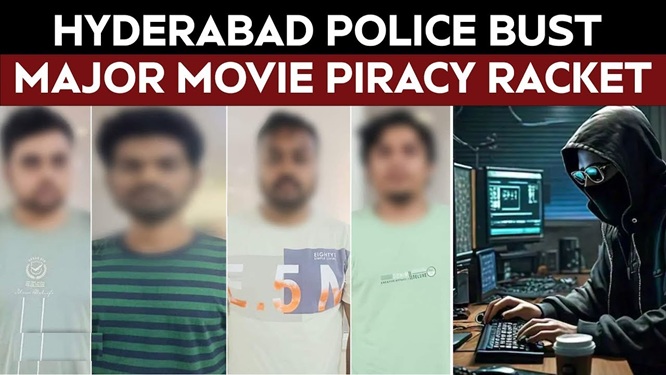
The Process: How They Likely Implemented the Crackdown
Cyber crime investigations in India, especially for transnational piracy, follow a structured, tech-driven protocol under the IT Act (2000) and Copyright Act (1957). Hyderabad’s team drawing from the Indian Cyber Crime Coordination Centre (I4C) and state cyber wings adapted this to Ravi’s sophisticated setup (DRM hacks, offshore hosting, malware). Here’s a step-by-step reconstruction of their probable methodology, based on standard procedures and case specifics:
- Complaint Registration and Preliminary Probe (Trigger Phase)
- FIRs filed via the National Cyber Crime Reporting Portal (cybercrime.gov.in). Anti-Piracy Cell provided evidence: screenshots of leaks, IP traces from OTT breaches (e.g., Netflix/Prime Video servers), and traffic analytics showing 37 lakh monthly users.
- Initial digital forensics: Tools like Wireshark for packet sniffing and WHOIS lookups to map domains (revealing Porkbun registrations and Amsterdam servers). This flagged Ravi’s ER Infotech firm as the origin.
- Network Mapping and Surveillance (Intelligence Phase)
- Human Intel: Interrogations under CrPC Section 161 from early arrests revealed hierarchy Ravi as admin, with uploaders in India/Myanmar and hackers in Europe. Movement patterns (e.g., frequent France-Caribbean flights) tracked via airline manifests and Interpol notices. Wife’s tip-off (post-separation) provided real-time location intel.
- Digital Surveillance: OSINT (open-source intelligence) from social media (Ravi’s taunts backfired, confirming his involvement). IP geolocation via MaxMind databases and VPN unmasking tools. Collaboration with Cloudflare/OTT firms for breach logs. Monitored Telegram channels and dark web sales of stolen data.
- Financial Tracking: ED style probes into 35 bank accounts and crypto wallets (e.g., via Chainalysis tools) traced ₹20 crore inflows from betting/gambling redirects.
- Operational Planning and Execution (Takedown Phase)
- Special teams (CCS + Cyber Wing) coordinated with MeitY (Ministry of Electronics) for domain blocks via registrars. International liaison via Mutual Legal Assistance Treaties (MLATs) with EU/US agencies for server seizures.
- Stakeout: Real-time airport surveillance using facial recognition (Aadhaar-linked) and flight APIs. Post-arrest, Miranda rights read; devices imaged forensically (using Cellebrite UFED for mobiles/hard drives).
- Immediate Actions: Account freezes under PMLA (Prevention of Money Laundering Act); sites nuked via admin credentials to prevent re-uploads.
- Post-Arrest Analysis and Expansion (Consolidation Phase)
- Forensic deep-dive: Malware reverse-engineering on seized APKs; content verification against 21,000 films for copyright claims. User data (50 lakh IPs/emails) scanned for fraud links.
- Broader Net: Mapping associates (e.g., 5 arrested earlier, more in Erode/Dubai). Public warnings issued to deter users, emphasizing data theft risks.
- Escalation: CBI/ED handover for cross-border assets; potential charges under Bharatiya Nyaya Sanhita for organized crime.
This operation highlights evolving cyber policing in India—shifting from reactive takedowns to proactive global hunts. While Ravi’s tech savvy prolonged the chase, his overconfidence (taunts, return home) was the Achilles’ heel. The industry hailed it as a “game-changer,” but police note similar networks (e.g., Tamil Blasters) persist, urging faster OTT encryption. Ongoing probes could net more arrests by December 2025.


